
What Should an SEO Company Do Each Month?
What a monthly SEO retainer should actually include: a repeatable decision process that verifies measurement health, diagnoses the real constraint, and adapts the work to the evidence.
What a monthly SEO retainer should actually include: a repeatable decision process that verifies measurement health, diagnoses the real constraint, and adapts the work to the evidence.
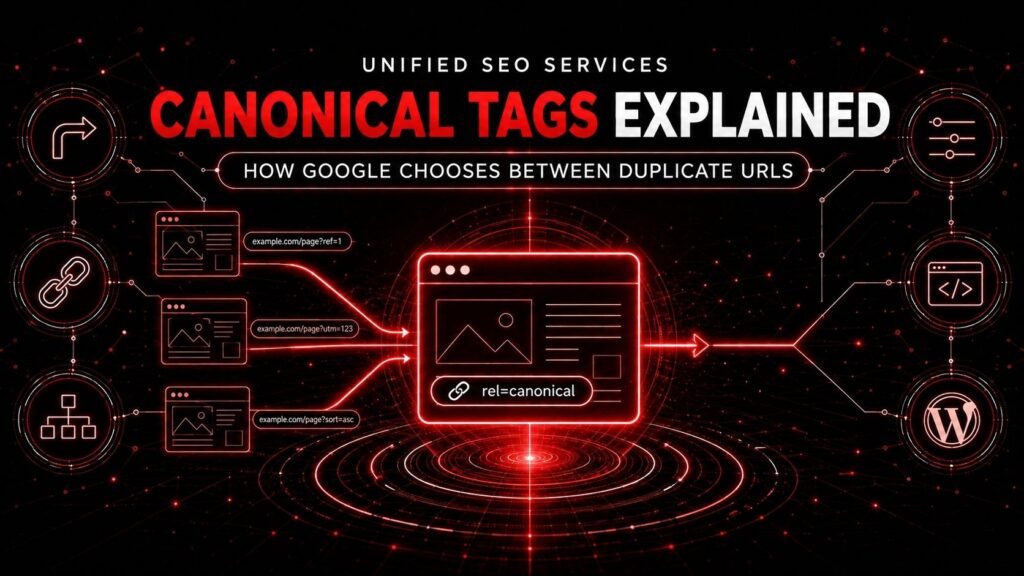
Google clusters duplicate URLs and selects a representative canonical based on redirects, links, sitemaps, and content signals, not just the tag you declare.

Robots.txt controls crawler access, noindex controls index eligibility, and canonical tags suggest a duplicate’s representative: three different controls for three different search decisions.

A diagnostic guide to Google Search Console’s “Crawled, currently not indexed” status: what it means, why pages get excluded, and how to investigate the cause.

SEO results follow different clocks depending on the problem being solved: technical fixes, existing-page improvements, new content, local SEO, authority development, and competitive markets each have their own timeline.

A step-by-step framework for diagnosing exactly why a website isn’t appearing in Google search results, from discovery and crawling through indexing, canonicalization, relevance, and authority.

A complete SEO audit evaluates technical access, indexation, content, internal links, local search, backlinks, and measurement, then turns the findings into a prioritized implementation plan.

Every search result you see is the end of a three-stage pipeline. Here’s what happens to a page before it ever reaches page one.

Search engines can’t recommend a page they can’t crawl, and they won’t recommend one they don’t trust. This guide breaks down the three types of SEO, how long results actually take, and where most explanations get it wrong.